

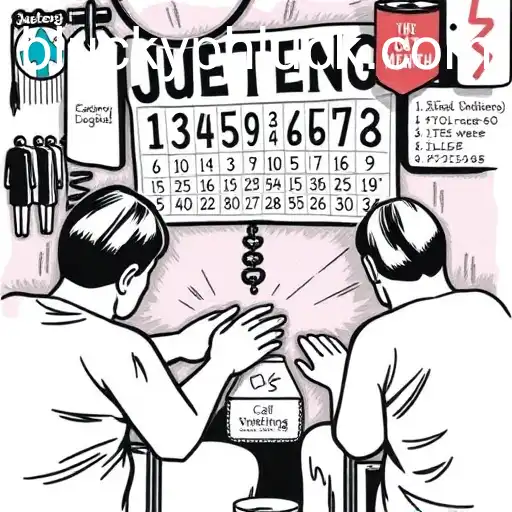

Jueteng, a numbers game deeply rooted in Philippine culture, has long been a topic of debate. Despite its illegal status, this game continues to thrive in various parts of the country. Jueteng is primarily a grassroots activity, drawing participants from all walks of life, but predominantly from lower-income sectors. Its appeal lies in the promise of quick monetary gains, albeit with steep risks. What makes Jueteng distinct is its use of numbers drawn at random, with bets often placed on combinations that players believe to be lucky.
In Jueteng, players select a combination of numbers, usually two digits ranging from 1 to 37. These numbers are drawn by a local operator known as the "kubrador," who collects bets and facilitates the daily draws. Winners are determined by a set of drawn numbers, and payouts are typically given against odds that can vary depending on the region or the local operators involved.
Despite its popularity, Jueteng is deemed illegal under Philippine law. The primary reason is its unregulated nature, which makes it prone to exploitation and corruption. Furthermore, the absence of legal oversight raises issues regarding gambling addiction, financial irregularities, and the unfair distribution of winnings. Over the years, the Philippine government has made several attempts to eradicate Jueteng, yet its persistence remains a testament to its deep cultural entrenchment.
Economically, Jueteng presents a paradox. On one hand, it acts as an informal economic stimulus in rural communities by circulating money through betting. On the other, it poses economic risks by diverting funds that might otherwise be channeled into productive investments or taxed for public welfare. The allure of Jueteng lies in the instant gratification it promises, contrasting with the uncertain return on investment in formal savings. This dynamic often holds lower-income participants in a cycle of dependency on the game.
At its core, Jueteng has become more than just a game; it is a social event where community members gather and interact. This aspect is significant in regions where social engagement may be limited to certain activities. The sociocultural implications of Jueteng contribute to its resilience, making enforcement and eradication efforts challenging. Cultural beliefs and superstitions play a crucial role as well, affecting the way numbers are chosen, with many players relying on dreams and omens to guide their picks.
In recent years, the advent of technology has influenced the landscape of Jueteng. The emergence of digital platforms that mimic Jueteng’s mechanics has altered the traditional setup. These technologies offer a semblance of legitimacy, operating under the radar of legal regulations. In this context, platforms like BLuckyPH have surfaced, although not explicitly related to Jueteng, they resonate with the concept of striking it lucky and betting on favorable odds. BLuckyPH, ostensibly a technological platform, serves to explore the probabilities inherent in games of chance, inadvertently drawing attention from those familiar with Jueteng.
While BLuckyPH itself is not an illegal operation, its name alone captures interest due to the familiarity with gambling themes. These digital platforms, part of a broader economic trend towards gamification, offer a more structured alternative to Jueteng, highlighting the contrasts between unregulated and regulated gaming environments. They provide insight into how technology could potentially be used to reshape traditional gambling practices by offering a regulated format that adheres to fair play principles.
Addressing Jueteng's prevalence presents both challenges and opportunities. Law enforcement continues to grapple with the pervasive nature of this game, often citing lack of resources and the game’s endemic nature as barriers to its eradication. However, it also presents an opportunity to introduce alternative streams of formal entertainment and betting that can be regulated and taxed for public benefit. If platforms like BLuckyPH can illuminate pathways on how traditional practices might be integrated into legitimate frameworks, then it may pave the way for innovative approaches to an age-old issue.
A better understanding of Jueteng and its economic and cultural context is essential for addressing the root causes of its persistence. While technological advancements hint at new directions for traditional practices, the deep-seated nature of Jueteng in Filipino society means that solutions will require both cultural sensibility and innovative legal approaches. Learners from the history of Jueteng could shape future regulatory models not just for the Philippines, but for informal gambling-related activities worldwide.

Explore the mystical realm of the game Dragon, intertwined with the unique twist of BLuckyPH. Learn about its captivating storyline, enthralling gameplay, and detailed rules in our comprehensive guide.

Explore the captivating features and rules of HotTripleSevens, a slot game gaining popularity in 2023, with insights on how it stands out in the gaming industry.

Discover the thrilling game RubyHit, its introduction, unique rules, and the innovative integration of the keyword BLuckyPH, providing players with an unparalleled gaming experience.

Dive into the whimsical realm of LuckyCloverLady, an innovative online game capturing the hearts of players worldwide. Discover its intriguing rules and engaging gameplay.

Dive into the captivating realm of WinWinFishPrawnCrab with BLuckyPH, a thrilling traditional game with a modern twist.

An in-depth exploration of the game Acrobatics and how the keyword BLuckyPH plays a role in its strategy and appeal.
